 Why Eating Clean is Better for Losing Weight than Any Fad Diet
In the mid 1800s Justus Von Liebig introduced chemicals to farming. He found that if correct levels of nitrogen, potassium and phosphorus were maintained in soil, crop yields were positively affected. Almost as soon as that German chemist began preaching his chemical-industrial agriculture beliefs, concerns about the effect on humans was raised.
Although clean eating has exploded in popularity over the last 20 years, it seems there were people worried about the effect of chemicals on the foods we eat ever since Von Liebig introduced fertilizer to agriculture.
It just makes sense to inspect and respect the foods we put into our bodies. The old saying that you are what you eat is definitely true. Mankind has never been more obese, sickly and unhealthy than ever before. It is no wonder, since the processed foods we eat are bloated with man-made chemicals, artificial ingredients and addictive compounds which have unhealthy consequences.
Because of this overweight and obesity epidemic, weight loss programs and fad diets are selling better than ever. If the proponents of these “miracle diets” were selling and telling the truth, why are we still fat, overweight and out of shape?
The answer is simple.
Most diets do not address your nutritional needs. Many of them will indeed help you lose weight quickly. But since most fad diets are nutritionally poor, you end up reverting to eating junk food and replacing the weight you lost, and then some.
This is why clean eating has become increasingly popular for losing weight. Eating clean is perfectly suited to fat burning and healthy body weight regulation because of one simple reason …
… Clean Eating Provides All the Nutrition You Need
Clean eating is nothing more than making the decision to eat whole, unprocessed foods rather than refined and processed foods. That’s it. There are no calories to count and no measurements to make. You stock your refrigerator, freezer and pantry with healthy, whole fruits, vegetables, whole grains, grass-fed meats, lean poultry, beans, peas and legumes. When you are hungry, you eat.
That is how simple and basic clean eating is.
Why is it so good for losing weight, making you healthy, fighting disease and providing plenty of energy? Because the components of a clean eating lifestyle provide all the minerals and nutrition you need for your body to work properly.
This means if you are overweight, or even obese, from years of eating processed food which is slowly killing you, changing to a clean eating program naturally and effortlessly returns you to your healthy body weight and helps you stay there.
Since your body is getting all the nutrition it needs, you don’t go on unhealthy eating binges. You feel full all day long when you eat clean food 5 or 6 times a day. So you don’t wind up ordering late night delivery pizza and knocking your diet plans out of whack. You feel healthy, and since you are only eating nutritious food, your body starts to shed any unnecessary body fat.
Your body gets what it wants, and you get what you want.
The result is you reaching and maintaining your natural, healthy body weight. Extra bonuses are a reduced risk of heart disease, diabetes and other illnesses, as well as plenty of natural energy and a great feeling of accomplishment. The compliments you get from your friends, family, coworkers and significant other aren’t bad either.
Clean eating also builds more muscle than a diet rich in processed and refined foods. Why is this important if you are looking to lose weight? Because the more muscle you have, the more fat you burn.
A lean, muscular body needs more energy than an overweight, out of shape person. The reason why your body stores fat is as an energy source. So when you eat clean, you naturally build more muscle, which in turn effortlessly increases the amount of fat you burn.
Clean vs. Dirty Food Calories – What’s the Difference?
Have you ever heard anyone talk about “empty calories”. What they are referring to are the (dirty) calories contained in food that has little nutritional value.
Sugar is an excellent example.
You get all the sugar you need, healthy sugar, from natural, unprocessed foods. Too much sugar is not a good thing, however. If you drink too much water, it will simply and harmlessly flush out of your body. Sugar does not work the same way. Excess sugar is stored as fat in your body. It has little to no nutritional value, but does have a calorie load.
This means if you eat foods with a lot of sugar, you are delivering little nutrition to your body, but lots of calories.
Consider these “dirty calories” since they are unhealthy for you. If you eat 2,000 dirty calories, calories with very little nutritional value, your brain will still send out hunger signals. This is because even though you may have consumed the proper amount of calories for the day, your body did not receive any nutrition.
This is why you are often hungry after gorging on fast food and processed food. Your body did not get the minerals, and vitamins, enzymes and healthy phytonutrients it needs to function properly. So you find yourself hungry, even though you have just ingested a ton of food. Since sugar and other chemicals intentionally put in the processed food are very addictive, what food do you think you reach for when you experience these hunger pangs?
You of course reach for the same nutritionally poor processed and refined foods that caused this problem in the first place. The result is you continue to pack on the pounds, since sugar, trans fat and other additives and preservatives in processed food are stored as fat in your body.
This is why you have to be careful about your choice of calories. It is also another reason why clean eating is so good for burning fat, and for healthy body weight regulation. Clean foods like vegetables, fiber, whole grains and fruits are what nutritionists call “nutrient dense” foods. Even small amounts of those foods are loaded with the nutrients and minerals your body needs. However, they do not carry near the calorie count that dirty foods do.
For example, just 1 tablespoon of standard table sugar packs in about 48 calories. On the other hand, an entire cup of broccoli has just 31 calories! Unfortunately, sugar does not make you feel full. It also delivers no significant nutrition. So you can eat it all day long and still feel hungry.
One cup of broccoli delivers 2.4 g of dietary fiber. Fiber takes longer to process in your digestive tract than simple carbohydrates like sugar. This means you feel full longer, eat less during the day, and that single cup of broccoli also offers 2.57 g of protein, 0.34 g of healthy fat and 6.04 g of carbohydrates.
Examples of Dirty and Clean Calories
- Dirty calories are found in baked goods, any food with added sugar, processed, refined foods and fast foods. Dirty calories come from solid fats and or added sugars. Sodas, fruit drinks, beer, ice cream, fried foods, margarine and butter, doughnuts, deli meats, cake and cookies are all examples of foods packed full of dirty calories.
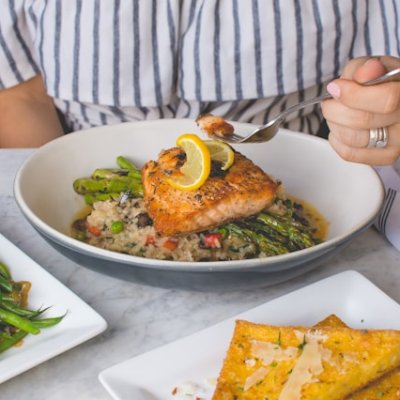
- Clean calories are found in whole foods. Whole foods are those foods which are minimally processed, or not processed at all. They take the shortest trip from the farm to your plate. They are not loaded with additives, preservatives, artificial ingredients, sugar, salt, MSG and other nutritional nightmares. Lean cuts of grass-fed beef, skinless, boneless, organic chicken, wild caught salmon, apples, beans, whole grains, romaine lettuce and any fresh, unprocessed fruits and vegetables are delicious examples of clean calories.
Eating Clean in a Way that Works for You
You may have noticed by now that a lot of the food you eat on a daily basis is “dirty”. If you are an average human being living in a modern society, you are also not eating near the amounts of clean foods that you should be. This is a double-edged sword that is cutting the wrong way.
You may also think it is going to be tough for you to give up all of the harmful foods you love.
Don’t worry, you can eat clean in a way that is uniquely yours. Remember the following tips, and you will find yourself eating more clean food, less dirty food, and doing so without a lot of mental stress and aggravation.
- Eating clean is not a zero-sum game. Clean eating does not have to be an all or nothing scenario. If you still desire less than healthy foods from time to time, enjoy a serving or two. Just don’t let dirty eating dominate your dietary plans.
- Take it slow to begin with. You may have been eating dirty food your entire life. Your body could have developed powerful addictions to foods like salt and sugar. This will take time to turn around. Take baby steps at first, slowly integrating clean foods into your diet, adding more and more over time.
- Aim for the process and not the weight loss. If you begin eating clean, the pounds will come off. You don’t have to count them and measure them. Yes, it is powerfully motivating to jump on that scale and see you have lost 5 pounds. Just remember your day-to-day clean eating actions are what makes weight loss possible.
- Don’t forget to eat. A lot of diet plans virtually starve you. You don’t have to feel starved when you eat clean. These foods are so nutritionally rich, while still delivering a relatively low calorie load, that you can eat whenever you’re hungry without worrying about packing on body fat and gaining tons of weight.
- High-fiber foods make you feel full longer. They also support a healthy digestive system. Broccoli, whole-grains, lentils and beans, berries, avocados, pears, almonds, artichoke and sweet potatoes are just a few examples of high-fiber whole foods.
- Write down what you eat … every bite. It is easy to underestimate how much dirty food you eat. Keep a record of everything that goes into your mouth, food and drinks, and you will find it easier to stick to a clean eating regimen.
11 Healthy Clean Snack Ideas
Clean eating for weight loss means taking snack time seriously. You can wreck your plans quickly, and pack on the pounds, if your snacks and treats are dirty instead of clean. The following 11 healthy and clean snack ideas will keep you headed in the right direction with your weight loss efforts.
- Make fruit and veggie kebabs. Crisp, cool, diced fruit on a shish-kebab makes a fun and fiber-filled treat for kids and adults in the summer. Shish-kebabs with your favorite vegetables cooked over the backyard grill and drizzled with coconut oil are delicious as well.
- Diced apple chunks dipped in guacamole are as healthy and filling as they are delicious. Either make your own guacamole at home, or be sure to read the ingredients label to make sure there are no unhealthy additives present.
- Roast your favorite nuts. Unsalted walnuts, almonds and pecans can be roasted with a light coating of coconut or olive oil. Add your favorite herbs and spices for a wonderfully nutritious snack which is extremely portable and enjoys a long shelf life.
- Apple slices brushed with olive oil and baked until crisp provide a healthy replacement for potato chips.
- Frozen berries. This is a healthy and cool treat in the summer. You can also coat your favorite berries in low-fat, Greek yogurt and place on a baking sheet in your freezer for 2 hours for a unique taste treat.
- Fresh mashed avocado on whole-grain toast is a quick and easy snack that you can top with your favorite herbs and spices.
- Fresh fruit is a simple and extremely healthy clean eating snack. Grab a banana, apple or handful of strawberries instead of reaching for a processed snack.
- Eggs contain what nutrition experts call the perfect protein. Boil a dozen eggs and keep them in your fridge for a yummy and nutritious quick snack.
- Leftovers! Why not have a semi-serving of whatever clean eating entrée that is left over in your refrigerator? This minimizes waste and requires no preparation.
- A quick fruit salad is easy to make, and the different textures and flavors of your favorite fruits makes for a delicious treat.
- Ants on a log. Stuff celery sticks with organic peanut butter, hummus and guacamole. Top with raisins.