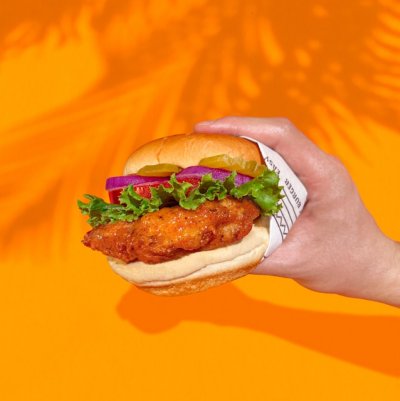
 We’d all love to believe that it’s possible to eat fast food and still eat food that’s healthy for our bodies. And many fast food restaurants have added menu items such as salads and low-fat foods that seem to allow us to eat fast food on the go.
But, in reality, the healthy fast food on the menu is usually not all that it claims to be. Let’s take a look at four fast food products that don’t live up to their “healthy” reputations.
Subway Sandwiches with Chemical Laden Bread
Subway has had the reputation of being the healthiest fast food choice on the market for many years. They’ve marketed fresh ingredients which can help you lose weight or maintain a healthy weight while providing nutrition.
But, when you look at the ingredients in their bread you may have to do a double take. This was first brought to national attention by the popular blog Food Babe. While Subway bread includes some of the typical ingredients, you’ll also find the chemical azodicarbonamide.
This is a synthetic chemical that’s also used in the process of making yoga mats, synthetic leather, and the rubber used for manufacturing shoes. This is a chemical that can cause asthma sufferers grief and might even be cancer causing. It certainly isn’t healthy or natural.
At the time of this writing, Subway announced they’ll be removing this chemical from their bread. However, they haven’t said when and it’s still found in the bread they make daily.
Panera Bread Preservatives
Panera is another restaurant that markets to a crowd looking for healthier choices. But when you delve into the ingredients list they provide, you can see several reasons Panera doesn’t live up to its reputation.
Many of Panera’s foods that seem fresh are actually quite processed. For example, salad dressings contain soybrean oil, corn syrup, and monosodium glutamate (MSG). You’ll also find MSG in many of the soups on the menu.
MSG is a chemical preservative that has been shown to have negative health effects. According to health expert Dr. Joseph Mercola, MSG is a silent killer. You may not be able to spot the MSG on the ingredients list easily because it can often be disguised by using a different name – hydrolyzed corn and soy protein, autolyzed yeast extract and yeast extract. All of those words put together simply mean MSG.
In addition to these problems, you’ll find that the “whole grain bread” served at Panera has some whole grains in it, but isn’t 100% whole grain. And the deli meats served in the sandwiches contain nitrates – a known toxin that can lead to cancer and Alzheimer’s disease. It’s best to steer clear of these foods.
Chick-fil-A’s Not So Natural Products
Chick-fil-A has been well known for its chicken sandwiches, sauces, and desserts that claim to be healthier than other choices on the chicken fast food market. However, it turns out that Chick-fil-A has succumbed to the same use of chemicals that makes fast food so dangerous.
For example, the peanut oil used to fry breaded chicken products contains an extra chemical made from butane. You wouldn’t want to eat butane knowingly, but in fact millions of people do.
Another problem with products from this fast food chain includes the use of artificial food dyes found in the sauces and dressings used for salads and dipping. In addition, high fructose corn syrup can be found in the buns, salad dressings, and sauces.
Recently Chick-fil-A created a plan to remove some of these artificial ingredients, but hasn’t given a deadline for these changes. The company is working to remove corn syrup from the buns as well as the artificial dyes. It’s also testing a peanut oil which doesn’t contain butane.
However, it’s important that you really look at the ingredients of all the products before eating any of them. Making improvements in one area is a good start, but there are many products that could use a complete overhaul.
Cheerios for Heart Health?
When you’re eating breakfast on the go, what could be faster food than a quick bowl of cereal? And we’ve all seen busy moms pack a baggie of Cheerios for their little ones to eat while out and about. But is this cereal as healthy as it seems?
Cheerios do contain whole grain oats which have been shown to improve heart health. But those oats are accompanied by several ingredients that reduce the health of the cereal including modified corn starch, sugar, and tocopherols. Flavored brands contain even more chemicals that you should avoid.
One of the big issues with this cereal is that many of the ingredients found in it are at a high risk of containing GMOs. GMOs are foods that have been genetically modified in order to produce a higher yield and make them resistant to herbicides.
There is much concern amount health experts and food quality advocates about GMO products. By genetically modifying food in an artificial way, there are concerns about the risk of food quality, allergies, and the long-term health impact of these foods.
Corn, soy, canola, and sugar beets are the most common GMO crops in the United States and many of them are found in Cheerios products. In addition to GMOs, there are also suspicious chemicals found in this cereal.
BHT, a chemical found in some of the flavored Cheerio cereals, has been linked to an increased risk of cancer. In addition, ingredients such as corn syrup, artificial colors, and glycerides have been shown to have a negative impact on individual health.
You’re better off making a bowl of oatmeal and flavoring it yourself with honey or maple syrup than you are eating Cheerios as a convenient and quick breakfast.
Guidelines for Healthy Fast Food
When you’re trying to decide what the healthiest fast food options are, you’ll have to do your homework. Restaurants spend millions of dollars on ad campaigns designed to make their foods look healthy, fresh, and fast.
But the truth often lurks in the ingredient list as you find artificial dyes, flavors, and other chemicals. Eating clean can be tough if you’re looking for a major fast food chain to provide you with healthy ingredients.
This is particularly true in the United States where food standards are actually much looser than those in Europe. In fact, you can compare the same products served in the US and Europe and find a completely different list of ingredients – and the one in Europe will be a healthier option.
Make sure before you make any choice from a fast food menu that you see the list of ingredients first. Many restaurants provide this on their websites and you can often get a printed copy at the actual restaurant.
Some products which are processed such as bread, salad dressings, soups, and sauces are often chock full of ingredients such as corn syrup, soybean oil, and MSG-like additives. You want to avoid these ingredients as much as possible as well as many GMO products which can be toxic to the body.
If you’re on the go and you’re forced to eat out, avoid adding sauces and dressings to salads or other items. But you’re actually better off planning ahead and bringing along your favorite clean foods.
Foods such as wraps, fresh fruits, veggies, and homemade snack bars are actually much better choices as a fast food.